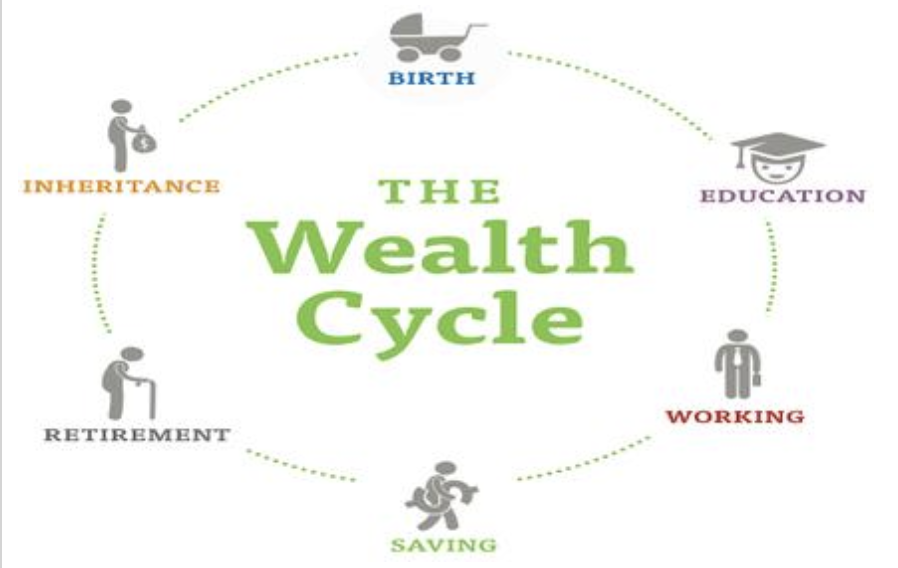
For affluent individuals, fluctuations in the economy are typically perceived as challenges to navigate. However, within the upheaval resides a significant reality: every fluctuation is not merely a disturbance but a realignment of financial resources, where obsolete methods diminish and fresh chances arise. The most astute investors don’t merely endure these transitions; they position themselves to succeed by comprehending the underlying principles of the economic cycle.

Economic fluctuations reveal the misconception of lasting wealth linked exclusively to particular assets or industries. The collapse of the dot-com bubble eradicated fortunes associated with non-profitable technology stocks, while the 2008 financial crisis humbled those speculating in real estate. In the current climate, a fresh cycle is testing wealth established on low-interest-rate bubbles. Genuine resilience is derived from understanding that no asset category is exempt—spreading investments across unrelated sectors transforms susceptibility into flexibility.
Struggle as a Trigger for Potential
Even though many dread economic hardships, shrewd investors perceive them as opportunities to purchase high-value assets at lower prices. In times of decline, robust businesses with solid fundamentals often sell for less; distressed properties in prime locations may become available. In the 1930s, wealthy individuals seized undervalued stocks and real estate; presently, similar chances arise in areas like renewable energy or healthcare, where long-term demand persists despite short-term fluctuations.
Cash Flow: The Cycle’s Hidden Advantage
In rising markets, liquidity is often underestimated; in falling markets, it becomes paramount. Affluent individuals who conserve cash or maintain liquid assets during high points can act when others are compelled to divest. This is not cowardice—it’s calculated patience. Having funds available to utilize amidst a panic allows for the acquisition of assets at a significantly reduced price, preparing for considerable gains during the next upswing.
Economic cycles penalize speculation while favoring a focus on inherent worth. Booms encourage chasing the latest trends—cryptocurrencies, meme stocks, money-losing startups—but downturns distinguish superficial excitement from real value. Investors who prioritize assets with solid cash flow, concrete assets, or breakthrough products that address genuine issues navigate difficult times more effectively. A prestigious brand with devoted clientele or a construction firm with reliable contracts endures because their worth isn’t dependent on market trends.
Re-evaluating Your Investment Perspective
Each economic cycle necessitates a refreshed approach to investing. Methods that were effective in a low-interest-rate period (using borrowed funds, favoring growth stocks) may falter in a high-rate landscape. Prosperous investors actively seek new knowledge: exploring emerging industries, grasping macroeconomic changes, and adjusting their investment mixes. This adaptability—not strict adherence to historical strategies—ensures they remain ahead amid the financial realignments.
Wealth as a Cycle of Evolution
Economic cycles not only rearrange wealth but also distinguish those who can adapt from those who remain stagnant. For wealthy individuals, the goal is not to forecast the peaks or valleys of the cycle, but to cultivate a portfolio and mindset that prosper at any juncture. By welcoming change, concentrating on value, and maintaining liquidity, individuals not only endure the realignment—they emerge with a more fortified and resilient wealth base than previously.

Blockchain: A New Era in Wealth Management
Financial Health of Young Adults: Digital Banking's Role
Can ChatGPT Manage Wealth? AI Finance Apps Unpacked
Installment Plans: Trap or Financial Tool for Youth?
Emergency Funds & Insurance: Dual Financial Safeguards
Best Credit Cards for Small Businesses
ESG Investing: Beyond the Green Hype