For affluent families, asset distribution is not a generic formula; it represents a calculated approach that harmonizes wealth protection, growth, and legacy. The important aspect lies in tailoring allocations to reflect family principles, reducing concealed risks, and utilizing unique opportunities outside mainstream markets. The best strategy incorporates alternative investments, planning for future generations, and ongoing adjustments to ensure lasting wealth.
Include different types of assets—such as private equity, artwork, or family-run businesses—together with organized trusts to spread out risk. Frequent and flexible rebalancing adjusts to changes in the market, syncing growth with long-term objectives while protecting wealth from fluctuations.
Cross-Generational Asset Isolation
Effective asset distribution begins with separating assets by generational lines to prevent cross-generational risk exposure. Families establish irrevocable trusts to protect essential wealth for heirs, keeping it safe from marital disagreements, business debts, or unplanned expenditures. This separation guarantees that wealth persists beyond individual life phases, setting clear access guidelines connected to family objectives instead of random dispersal.

Affluent families refine the proportion of illiquid versus liquid assets, moving beyond simple stock-bond breakdowns. Illiquid holdings such as private equity, specialized real estate, or art collections can provide long-term returns, while liquid assets (high-interest cash management accounts, short-term trusts) can tackle unexpected needs and opportunities. The equilibrium adjusts based on family requirements—leaning towards liquidity during transitional phases, and favoring illiquid investments for consistent growth.
Value-Centric Niche Investments
Investment strategies extend beyond financial gain to embody family principles. Numerous families support niche markets that resonate with their missions: tech startups led by women, eco-conscious luxury companies, or projects focused on historical preservation. This methodology intertwines financial success with personal satisfaction, transforming wealth into a means for positive change while exploring markets that are often overlooked by conventional investors.

Non-Traditional Risk Management Solutions
In addition to standard hedging methods, families employ personalized alternative assets to address specific risks. This may involve parametric insurance for rare events (such as natural disasters, interruptions in business), offshore trusts designed to protect assets, and private investments tied to commodities. These instruments protect wealth from fluctuations in the market and shifts in geopolitics while maintaining growth potential.
Asset allocation changes according to family lifecycle stages rather than adhering to set schedules. During phases of wealth building, more investment is directed toward high-growth opportunities; in later stages focused on legacy, investments transition to income-generating options (like private credit and rental properties). For families with younger heirs, a portion is designated for educational funds, ensuring that it aligns with overarching family aspirations.
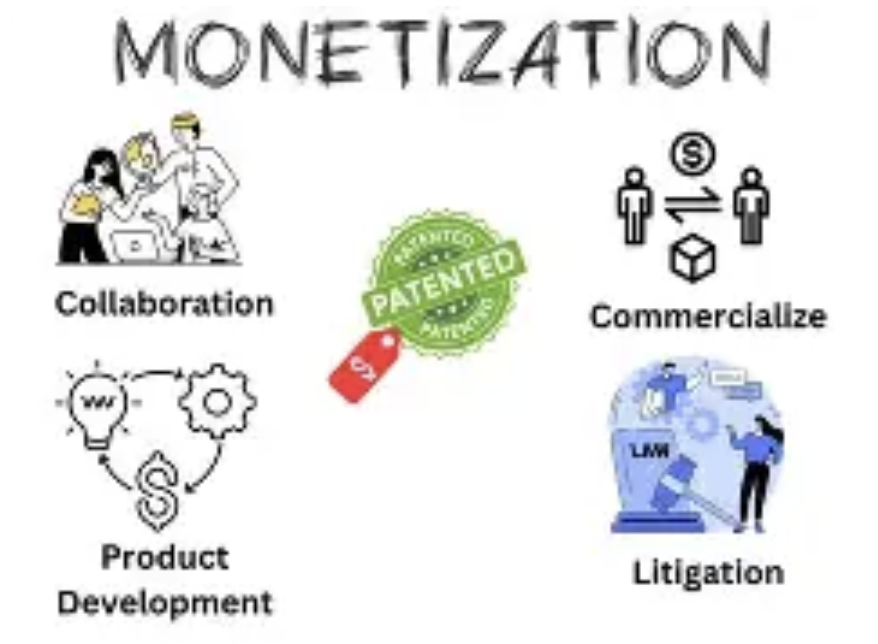
Monetization of Intellectual Property
Affluent families leverage intellectual properties frequently overlooked by average investors. This encompasses patent collections, family business brands, or unique business strategies. By investing in the protection and commercialization of these intangible assets, they establish distinctive revenue streams that are robust against market volatility and augment overall portfolio valuation.
For wealthy families, asset distribution is a comprehensive pursuit. It necessitates a blend of exclusivity and carefulness, linking wealth to meaningful objectives, and constructing a framework that ensures prosperity for future generations. The aim goes beyond mere growth, targeting enduring, values-based wealth that withstands economic fluctuations.

Protecting Against Identity Theft
From Earning to Managing: Wealth’s Cognitive Leap
The True Cost of Homeownership: A Guide for Prospective Buyers
By allocating the fund sector in this way, you will benefit more
Financial Strategies for Millennials: Current Trends and Future Predictions
Avoid Impulse Spending: Healthy Habits
Financial Strategies for Protecting Wealth: Current Trends and Future Predictions