For people who have substantial income potential, considering taxes goes beyond mere adherence to regulations—it forms the unseen boundary distinguishing the stable middle class from those who rise to higher levels. The assumption that “increased earnings lead to greater wealth” falls apart when one neglects tax planning. Intelligent earners perceive taxes not as a constant liability; they regard them as a maneuverable factor to enhance, transforming each tax regulation into an instrument for maintaining and expanding their resources.

Average earners view taxes as an annual task, whereas high achievers consider them as a continuous approach. It is not about avoiding taxes, but rather about utilizing lawful avenues—such as retirement accounts with tax benefits, structured charitable contributions, or planning for capital gains—to retain a larger portion of your income. Making a well-planned investment in a portfolio of tax-exempt bonds or categorizing business expenses wisely can result in thousands of dollars saved each year, which can accumulate into considerable wealth over time.
Asset Location Over Asset Allocation
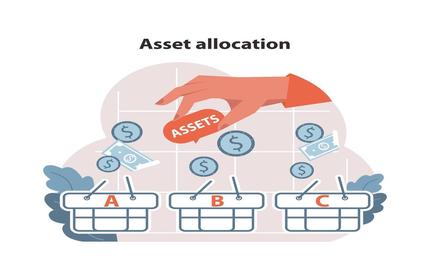
Many individuals concentrate on what to invest in, but those knowledgeable about taxes focus on where to place their investments. Positioning high-yield investments in accounts with tax advantages and keeping tax-efficient investments in taxable accounts reduces yearly tax obligations. For instance, putting stocks that pay high dividends into a Roth IRA helps avoid continual tax burdens, while low-turnover index funds are more suited for taxable accounts to lessen capital gains exposure. This subtlety transforms a decent investment portfolio into one that is optimized for tax efficiency and wealth creation.
Business Structures as Tax Shields
For business owners and those running side enterprises, selecting the appropriate business structure is crucial not only for liability protection but also for tax benefits. While a sole proprietorship is straightforward, forming an LLC or S-Corp can reveal opportunities for deductions related to home offices, vehicle costs, or work-related travel that employees cannot claim. These business entities convert personal expenditures into deductible business costs, thus reducing taxable income while enhancing professional reputation.
Wealthy individuals don’t simply give cash for tax advantages—they utilize donor-advised funds (DAFs) or charitable remainder trusts. When you donate stocks that have increased in value to a Donor-Advised Fund (DAF), you become eligible for a tax deduction that matches the complete market worth of those assets.This approach also lets you avoid paying capital gains taxes on the appreciationEstablishing a trust allows for gradual charitable donations while continuing to receive income throughout one’s lifetime. This approach merges philanthropy with smart tax strategies, aligning one’s values with the preservation of wealth.
Timing: The Tax Game-Changer
The timing of when income is received and expenses are incurred matters just as much as the actual sums involved. Postponing bonuses to years with lower earnings, accelerating eligible expenses in higher income years, or utilizing tax loss harvesting to counterbalance gains—these timing techniques help smooth out tax liabilities. For example, liquidating underperforming assets to balance out profits from the sale of stocks can significantly reduce your annual tax bill, enabling more capital to continue working for your benefit.
Tax Planning as a Team Sport
Affluent individuals do not operate independently— they create a network of tax specialists, financial consultants, and legal advisors. A CPA who understands your specific sector can identify deductions that might otherwise be overlooked, while a tax attorney can organize intricate transactions (such as real estate ventures or mergers) to reduce tax risks. This teamwork transforms tax planning from an individual effort into a proactive strategy for building wealth.

Tax awareness is not exclusively for the very wealthy. It embodies a mindset that transforms a decent salary into enduring prosperity. For individuals with the resources, mastering tax strategies is not merely a luxury—it is essential for transitioning from average earners to affluent guardians of their wealth.

The Real Wealthy Lifestyle: Tech at Its Core

Max Credit Card Benefits: A Guide for Big Spenders
Best Credit Cards for Small Businesses

Allocation, Not Judgment, Defines Investment Success
The Benefits of a 529 Plan for College Savings
Using Life Insurance in Estate Planning
Impact of Dollar Strength