Many individuals with significant financial means tend to avoid the basics of money management, perceiving them as overly complicated or not suitable for their financial level. This reluctance frequently arises from mixing up advanced wealth management strategies with essential foundational practices, thus creating an unnecessary obstacle to achieving financial control. In reality, beginning to manage finances does not call for expertise in complex terminology or handling high-risk investments; it starts with modest, purposeful changes that resonate with one’s current lifestyle and objectives.

Initiate with Intention, Not Choices
A widespread misconception regarding the beginnings of money management suggests that it starts with investment selection. However, having a clear sense of purpose clarifies everything. Wealthy individuals often miss this, rushing to decide on “what to invest in” before clarifying “why.” Whether the aim is to safeguard assets, establish a lasting legacy, or improve lifestyle, aligning starting steps with fundamental objectives reduces confusion and helps eliminate unimportant choices.
Individuals with considerable assets already possess resources that can facilitate the money management initiation process. Rather than engaging pricey advisors right away, tap into familiar support networks—such as accountants who have a grasp on your finances or friends who have gone through similar experiences. This approach transforms abstract foundational concepts into practical actions based on your specific financial reality, making the start feel more relatable.
Move Beyond Perfection to Progress
The pursuit of perfection often stalls many affluent individuals as they embark on money management. They may delay action waiting for “perfect” market conditions or complete knowledge, which distracts from the essence of getting started: gaining experience through practice. Taking small, low-risk actions—such as shifting a minor portion of dormant capital or establishing automated savings for a targeted goal—can nurture confidence without subjecting wealth to unnecessary danger.
Distinguish Essential Knowledge from Distractions
The financial media and industry vocabulary create the false impression that embarking on money management necessitates an understanding of complicated ideas. In fact, a substantial portion of fundamental achievements stems from a small set of core principles: grasping risk tolerance, steering clear of avoidable fees, and ensuring liquidity. By filtering out distractions and concentrating on these basic concepts, getting started becomes more manageable, allowing for progress without an overwhelming feeling.

Perceiving the initiation of money management as a one-off job can lead to frustration. Conversely, it flourishes as a daily routine—dedicating ten minutes to review account transactions or adjusting allocations monthly to align with goals. For busy affluent individuals, weaving small money management practices into pre-existing habits makes the beginning sustainable, eliminating the stress of setting aside dedicated “financial time.”
Reinterpret Mistakes as Opportunities for Growth
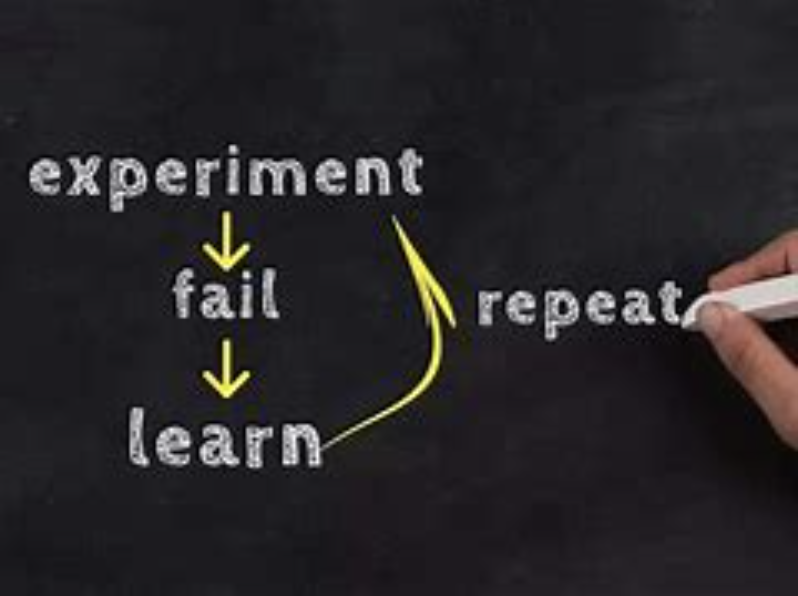
The apprehension of making errors prevents many from beginning their money management journey. Nevertheless, initial mistakes—like opting for a subpar investment or misjudging liquidity—serve as low-cost educational experiences. Wealthy individuals often have the financial cushion to withstand minor setbacks, transforming these experiences into valuable lessons that refine their strategies. This shift in perspective alleviates fear of making mistakes, rendering the initiation process more accessible.
The ease of starting money management lies in simplifying it—moving past the false notion that it demands specialized knowledge or involves high risks. For those with ample financial resources, the goal is not to overhaul their finances but to infuse intention into their existing assets. By commencing with small steps, emphasizing purpose, and valuing progress over perfection, the initial actions become not only manageable but also empowering.

Using Technical Analysis Tools

How Wealth Gap Is Designed in Finance
From Earning to Managing: Wealth’s Cognitive Leap
ESG Investing Explained
Consumerism Trap: Why More Spending = Less Wealth?
Mergers and Acquisitions: Ideas for Long-Term Success
Protesting checks: a red card for the financial sector.