Many individuals view changes in interest rates primarily in terms of adjusted loan payments or savings interest, a superficial effect that barely touches the surface for households with significant wealth. Nonetheless, fluctuations in rates possess subtle yet extensive influence—altering asset valuations, distorting opportunity costs, and transforming the principles of financial planning. For those capable of optimizing their financial strategies, recognizing these subtle effects can convert shifts in rates from a passive worry into an active benefit.
Redefining Cash Holding Costs
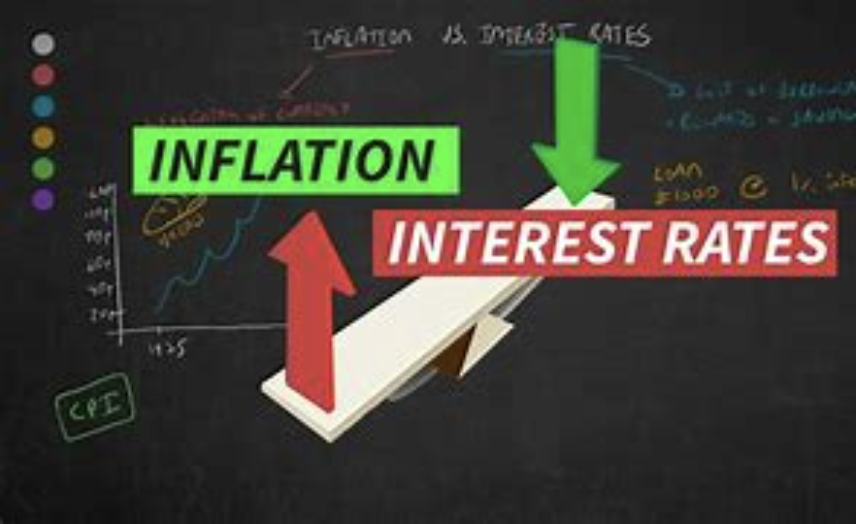
Increases in rates change the financial implications of holding cash. Wealthy people frequently have cash reserves, but rising interest rates diminish the worth of unproductive capital by expanding the disparity between returns on cash and more lucrative options. What was formerly viewed as a “safe” cushion now constrains portfolio expansion, prompting a reassessment of liquidity tactics to simultaneously ensure security while investing in interest-sensitive vehicles such as bonds or structured financial instruments.
Adjustments in rates initiate quiet transfers of wealth, rather than merely altering payments. Higher rates provide advantages to savers with minimally leveraged portfolios, enhancing returns from fixed-income investments while simultaneously creating challenges for those with high levels of debt—even wealthy individuals—by raising the costs of servicing loans. On the other hand, reductions in rates serve to support borrowers while tightening the financial situation for savers, establishing a situation that incentivizes congruity between debt amounts and interest rate fluctuations.
Valuation Challenges for Alternative Investments
Alternative investments, which are vital in high-net-worth portfolios, encounter underlying valuation challenges from changes in interest rates. Private equity, real estate, and venture capital depend on low discount rates for their valuations; however, increased rates raise these discount rates, reducing asset worth even if there are no operational setbacks. For asset holders, shifts in rates can quietly diminish wealth before any apparent consequences materialize.
Changes in rates convert refinancing from a method of reducing costs into a strategic option. Wealthy borrowers might refinance not solely to cut monthly payments but to revamp borrowing conditions—securing fixed rates in periods of volatility, releasing equity for investments with high returns, or streamlining financial commitments to improve cash flow flexibility. This transcends simple cost saving and transforms shifts in rates into a means for enhancing balance sheets.
Influence of Cross-Border Capital Movement
Differing rates across nations influence international capital flows, an aspect often overlooked by investors focused on domestic markets. An increase in rates in one area can attract global funds, raising local asset prices and currency values—creating possibilities for diversified investment portfolios. Conversely, reductions in rates may lead to capital leaving the country, exerting pressure on local assets. For those with assets abroad, changes in rates require a global outlook on managing wealth.
Long-Term Financial Decision-Making Adjustments
Shifts in rates change the psychological tendencies that shape decisions made by high-net-worth individuals. Prolonged low rates tend to encourage risk-taking, urging investors toward higher-yielding, riskier investments. Conversely, increasing rates promote caution, redirecting attention toward preserving capital and focusing on income-generating investments. These shifts in behavior can result in unintended imbalances within portfolios if not actively monitored, highlighting the importance of being aware of rates as a vital aspect of managing emotional financial decisions.
Changes in interest rates represent more than just numerical values—they serve as strategic indicators. For those possessing considerable assets, recognizing these deeper influences beyond just monthly expenses transforms rate variability into a chance for repositioning, enhancement, and fortifying long-term wealth stability.

Open Banking: Finance’s Platform Revolution Era?
Retail investors rush into the fire? Who will have the last laugh in this brave game of the stock ma
The Pros and Cons of Peer-to-Peer Lending
Bags vs. Stocks: The Wealth Equation
Choosing Health Savings Accounts

Why Rich People’s Assets Seem Boring
Safe Havens: Gold, Bitcoin, or USD?